All lime formats in one page

Lime Ingredients (Bulk)

PFVN, Inc. supplies bulk lime ingredients for food and beverage manufacturing through a network of leading processors. This page covers every common lime format—Cells, Frozen, Juice Concentrate, NFC Juice, Oil, Powder—with buyer-friendly guidance on specs, applications, packaging, and documentation.

Available formats
Cells • Frozen • Concentrate • NFC • Oil • Powder
Programs
Conventional & Organic options*
Best for
Beverage • Dairy • Bakery • Culinary

*Availability depends on origin, crop year, specification, and processor program.

Buyer tip: For lime programs, align early on acid targets (pH / acidity), whether you need clarified juice for clear beverages, and whether oil or cells are needed for aroma + “real fruit” texture.
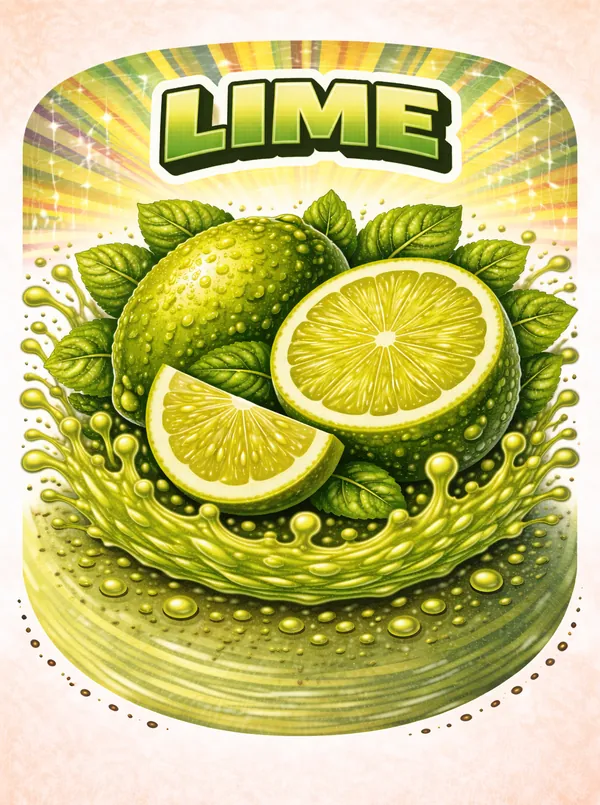
Bulk lime ingredients: concentrate, NFC juice, oil, cells, powder, frozen

Lime ingredient overview

Lime is a core industrial citrus used to deliver sharp acidity and bright, zesty citrus character—especially popular in lemon-lime beverages, tropical blends, and culinary systems. Lime programs are often selected not just for taste, but also for how they perform in your process (clarity, pulp/cells suspension, oil/emulsion compatibility, and cold-chain requirements).

When to choose each format

  • Juice concentrate: efficient shipping + flexible dosing for RTD, syrups, and blends.
  • NFC juice: single-strength option for clean-label and premium sensory targets (often cold chain).
  • Lime oil: aroma/top-note lift for beverages, confectionery, and flavor systems.
  • Cells (pulp): visible “real fruit” texture for premium RTDs and lemon-lime drinks.
  • Powder: dry handling for drink mixes, bakery, snacks, and seasoning systems.
  • Frozen: year-round access and fresh-note retention depending on program.

What drives success in lime sourcing

  • Acidity alignment: define your target pH/acidity and finished product constraints.
  • Clarity vs. pulp: clarified for clear drinks; cells for texture-driven products.
  • Aroma strategy: oils can deliver peel-like notes without adding juice solids.
  • Packaging + lane: ambient vs. chilled/frozen affects cost and availability.

Fast scoping: Share your end product (clear RTD, cloudy limeade, dairy, bakery, etc.) and your process (pasteurized/UHT/retort). We’ll recommend the best lime format and a quote-ready spec outline.

Available formats

Cells (Lime Pulp)

Citrus juice cells (pulp) are used to add authentic texture and visual appeal to beverages, fruit preparations, and desserts. Programs vary by cut size, carrier system, and suspension behavior.

What buyers specify

  • Cell size / cut spec (fine/medium/coarse, as defined by the program)
  • Carrier syrup/juice parameters (°Brix and acidity)
  • Suspension behavior in your beverage (cloud system, viscosity, settling tolerance)
  • Micro limits and shelf-life targets
  • Packaging + storage lane (often chilled/frozen depending on program)

Typical applications

  • RTD limeades and premium lemon-lime beverages
  • Fruit preparations and toppings
  • Desserts and inclusions
  • Texturizing for premium positioning

Tip: If you have a clear bottle SKU, share your settling tolerance and viscosity targets—cells programs must match the suspension system.

Frozen

Frozen lime formats support year-round access and can protect fresher notes depending on program.

What buyers specify

  • Form (IQF pieces, blocks, frozen puree — varies by program)
  • Frozen chain requirements and receiving plan
  • Micro specs and lot traceability
  • Packaging and pallet configuration

Typical applications

  • Foodservice beverage bases
  • Frozen desserts
  • Culinary sauces and prepared foods
  • Low-heat processes where fresh notes matter

Juice Concentrate

Lime juice concentrate is used for logistics efficiency and flexible dosing. Programs may be clarified or include pulp, depending on the intended application.

What buyers specify

  • Target °Brix
  • Acidity / pH range aligned to your finished product
  • Clarified vs. pulpy (and turbidity expectations if relevant)
  • Sensory profile (zesty vs. softer) and off-note exclusions
  • Micro limits, shelf-life, and storage lane

Typical applications

  • RTD beverages and syrups
  • Limeade bases and flavor systems
  • Acid + flavor adjustment in blends
  • Bakery and culinary systems (program-dependent)

Tip: If you need crystal-clear products, specify clarified options and share your filtration and haze tolerance.

NFC Juice

Not-From-Concentrate (single-strength) lime juice, typically shipped chilled or frozen depending on program, is chosen for clean-label and premium sensory targets.

What buyers specify

  • Single-strength solids and acidity targets
  • Chilled vs. frozen logistics and shelf-life expectations
  • Pulp level (if applicable) and clarity expectations
  • Micro targets aligned to your process
  • Certifications (e.g., USDA Organic) where available

Typical applications

  • Premium beverages and limeades
  • Clean-label blends
  • Dairy bases (program-dependent)
  • Seasonal/origin-specific programs

Oil

Lime oils are used for natural citrus aroma and top-note impact in beverages, confectionery, and culinary flavor systems. Program types vary; share your application so the right oil style and documentation can be quoted.

What buyers specify

  • Oil type per program (e.g., cold-pressed or other supplier-defined options)
  • Sensory profile (fresh peel note intensity, off-note exclusions)
  • Regulatory/compliance documentation required for your market
  • Usage form (neat oil vs. emulsion-ready system—if applicable)
  • Packaging suitable for oils (liner/material compatibility)

Typical applications

  • Beverage flavoring (still & sparkling)
  • Candy, gum, and confectionery
  • Bakery and culinary flavor systems
  • Natural citrus aroma lift in blends

Tip: If your beverage is clear/sparkling, oils may require an emulsion strategy. Share your system (cloud/emulsion) and target clarity.

Powder

Lime powder programs are used for dry handling and low water activity. Program design can vary (including carrier systems).

What buyers specify

  • Carrier system (if applicable) and flow properties
  • Solubility / dispersibility (instant mix performance)
  • Moisture and micro limits
  • Flavor intensity (acid impact vs. aroma) and color expectations
  • Packaging and shelf-life targets

Typical applications

  • Instant beverage mixes and drink sticks
  • Bakery mixes
  • Seasoning systems and snacks
  • Dry blend flavor systems

Typical specifications (what to ask for)

Specs vary by format and program. This checklist helps your team align quickly and speeds up quoting.

ParameterHow it’s typically specified
Soluble solids (°Brix / solids) Define per format: concentrate °Brix target; NFC single-strength solids; cells carrier °Brix.
pH / acidity Target range aligned to finished product. Share your acid system and labeling constraints if applicable.
Clarity / pulp Clarified vs. pulpy; turbidity/haze tolerance for clear beverages; pulp level where relevant.
Cells cut / suspension Cell size spec and acceptable settling; share viscosity/cloud system for compatibility.
Oil type / sensory Oil program type + aroma intensity targets + off-note exclusions; mention if emulsion-ready use is required.
Microbiology Limits per program and intended use (RTD, dairy, baked). Request a standard aligned to your process.
Certifications USDA Organic / Kosher / others upon request (where available).
Packaging Drums / totes / aseptic packs for liquids; lined cases/bags for powders; oil-suitable packaging for oils.
Storage Ambient/chilled/frozen depending on format and program. Confirm required temperature in transit and at receipt.
Documentation COA, microbiology, allergen statements, country of origin; additional testing upon request.

Quote-ready message: Format(s) + °Brix/solids + pH/acidity + clarified/pulp/cells cut + oil type (if needed) + packaging + annual volume + ship-to + storage lane + process + timeline.

Applications

Common application paths for lime ingredients include:

  • Beverages: limeades, RTD lemon-lime beverages, juice blends, soda bases, functional drinks, syrups
  • Dairy: yogurt fruit prep, drinkable yogurt flavoring, frozen desserts (program-dependent)
  • Bakery: fillings, glazes, icings, bakery mixes
  • Confectionery: gummies, candies, syrups, flavor bases, gum
  • Culinary: sauces, marinades, dressings, savory blends

Tip: For sparkling or clear beverages, clarify whether you’re using lime juice for acidity, lime oil for aroma, or both—each drives different specs and processing needs.

Processing & stability notes (especially for beverages)

Clear vs. cloudy: If your finished product must be clear, specify clarified juice and share filtration targets. If you want “real fruit” texture, cells programs must match your suspension strategy (cloud/viscosity).

Acidity impact: Lime is a strong driver of pH and perceived “bite.” Align acidity targets early to avoid rework in scale-up.

Oil handling: Oils can oxidize and may require controlled storage and careful incorporation. If used in beverages, confirm whether an emulsion approach is required for your clarity targets.

Crop & origin variation: Lime flavor can vary by origin and season. For sensory-critical programs, consider pre-shipment approvals.

Packaging & storage guidance

Packaging: Drums and totes are common for concentrates and NFC; cells often ship in program-defined packs; powders ship in lined cases or bags; oils ship in oil-suitable packaging (confirm liner/material compatibility).

Storage: Concentrates may ship ambient, chilled, or frozen depending on item and program. NFC and cells are often chilled/frozen. Confirm your receiving capability before selecting a lane.

Documentation: COA and supporting quality documents are typically available. If you need USDA Organic, Kosher, allergen statements, or additional testing, mention it in your inquiry.

Traceability: Industrial programs often include lot IDs and origin information; requirements vary by supplier.

Procurement tip: When quoting oils and cells, include your intended use (beverage, confectionery, bakery) so the correct program type and documentation are selected.

Lime FAQ

Juice provides acidity and lime body; oil is often used to boost peel-like aroma top notes. Many beverages use both depending on target profile.

Pulpy juice typically contains fine pulp; cells are larger, cut citrus pulp pieces designed to be visually noticeable and provide premium texture.

Format(s), °Brix/solids, pH/acidity, clarified/pulp/cells cut, oil type (if needed), packaging, volume, destination, storage lane, process, and timeline.

Related products

If you’re building citrus, bright, or acid-forward programs, these are commonly sourced alongside lime: